
Retatrutide 60mg vs 30mg Vials: A Comprehensive Guide to Dosing, Reconstitution, and Sourcing
In the rapidly evolving landscape of metabolic research, Retatrutide (LY3437943) has emerged as one of the most highly studied peptide compounds in the world. As a novel “triple agonist,” it has captured the attention of independent laboratories, academic institutions, and R&D facilities across the UK and Europe.
Whether your research requires a 60mg vial retatrutide for long-term studies or a retatrutide 30mg vial for pilot testing, understanding the nuances of vial sizing, reconstitution mathematics, and sourcing is critical. This comprehensive guide breaks down everything researchers need to know about handling, storing, and calculating dosages for Retatrutide research peptides.
What is Retatrutide? The Science of the Triple Agonist
Before diving into vial sizes, it is essential to understand the compound itself. Retatrutide is a synthetic peptide engineered to act as a single molecule that simultaneously activates three crucial metabolic receptors:
- GLP-1 (Glucagon-like peptide-1) receptor: Regulates appetite and slows gastric emptying.
- GIP (Glucose-dependent insulinotropic polypeptide) receptor: Enhances insulin sensitivity and lipid metabolism.
- Glucagon receptor: Increases energy expenditure and stimulates lipolysis (fat breakdown).
External Link Reference: For peer-reviewed clinical data on the efficacy of triple agonists, researchers can refer to the Phase 2 Trial of Retatrutide published in the New England Journal of Medicine (NEJM).
Because of this unique triple-action mechanism, reta 60mg and 30mg retatrutide are in high demand for in-vitro and in-vivo studies focusing on metabolic optimization, energy expenditure, and body composition analysis.
Retatrutide 60mg vs. 30mg: Choosing the Right Vial for Your Research
When sourcing from suppliers like Alluvi Healthcare at RetatrutideCost.co.uk, researchers are typically presented with two primary vial sizes: 30mg and 60mg. While the active lyophilized peptide is identical in both, the choice between a retatrutide 60mg vial and a 30mg vial depends on the scale and duration of your laboratory protocols.
The Case for Retatrutide 30mg Vials
A retatrutide 30mg vial is highly recommended for:
- Pilot Studies: Ideal for initial feasibility studies where researchers need to test the reactivity and purity of a new batch without committing to a larger volume.
- Short-Term Protocols: If your research model only requires a few weeks of active dosing, a 30mg vial prevents the waste of degraded, unused peptide.
- Strict Budget Constraints: For smaller academic labs or independent researchers, reta 30mg offers a lower upfront financial barrier to entry.
The Advantages of the 60mg Vial Retatrutide
Conversely, the 60mg vial retatrutide is the gold standard for comprehensive, long-term research. Benefits include:
- Batch-to-Batch Consistency: Using a larger vial ensures that the entire study utilizes the exact same batch of lyophilized powder, eliminating variables caused by slight manufacturing differences between multiple smaller vials.
- Economy of Scale: The 60mg retatrutide vial typically offers a much better cost-per-milligram ratio, making it the most economical choice for high-throughput laboratories.
- Reduced Handling Errors: Fewer vials mean less frequent reconstitution, reducing the risk of contamination or human error during the mixing process.
How to Calculate Dosing for a 60mg Vial of Retatrutide
One of the most common queries in peptide research is how to accurately calculate dosages after reconstitution. Improper math can ruin a study. Here is the exact formula for a 60mg vial retatrutide.
The Reconstitution Math
To calculate your dose, you must know two variables: the total amount of peptide in the vial (60mg) and the amount of bacteriostatic water you add.
Example Scenario: You have a 60mg reta vial and you add 2 mL (200 units) of bacteriostatic water.
- Total Peptide: 60 mg
- Total Water: 2 mL (or 200 units on a standard U-100 insulin syringe)
- Concentration: 60 mg ÷ 2 mL = 30 mg per mL
Drawing the Dose
If your research protocol requires a 5 mg dose per administration:
- Since the concentration is 30 mg per 1 mL (100 units), you need to find what fraction of 1 mL equals 5 mg.
- 5 mg ÷ 30 mg/mL = 0.166 mL.
- On a U-100 insulin syringe, 0.166 mL is exactly 16.6 units (often rounded to 16 or 17 units depending on the syringe’s precision).
Pro Tip: Always use a Peptide Reconstitution Calculator to double-check your math before drawing any liquid.
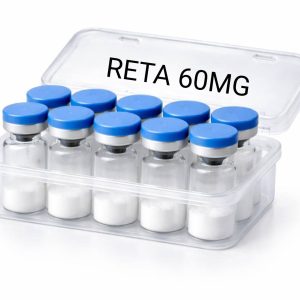
Sourcing High-Purity Retatrutide in the UK and Europe
The peptide market is largely unregulated, making the sourcing of high-purity research chemicals a significant challenge. Contaminated or under-dosed peptides can lead to skewed data and failed experiments.
When looking for a retatrutide 60mg vial, researchers must prioritize suppliers who provide verifiable Certificates of Analysis (CoA). At RetatrutideCost.co.uk, we partner exclusively with premier European manufacturers who utilize rigorous High-Performance Liquid Chromatography (HPLC) and Mass Spectrometry (MS) testing.
What to look for in a UK/EU Peptide Supplier:
- Purity >98%: Verified by third-party HPLC testing.
- Lyophilization Quality: The powder should be a solid, fluffy white cake at the bottom of the vial, not a loose dust or clumped mass.
- Cold-Chain Shipping: Peptides must be shipped in temperature-controlled packaging to prevent degradation during transit.
Storage, Handling, and Reconstitution Protocols
To maintain the structural integrity of the retatrutide 60 mg peptide, strict laboratory protocols must be followed.
1. Pre-Reconstitution Storage
- Temperature: Store the lyophilized 60mg vial retatrutide in a freezer at -20°C. Under these conditions, the peptide remains stable for up to 24 months.
- Light and Moisture: Keep the vial in its original packaging, away from direct sunlight and humidity.
2. The Reconstitution Process
- Temperature Equilibration: Before opening, allow the frozen vial to reach room temperature (approx. 20 minutes) to prevent condensation from forming inside the vial.
- Adding the Solvent: Use only sterile bacteriostatic water (0.9% benzyl alcohol). Inject the water slowly, aiming the needle against the glass wall of the vial, never directly onto the peptide powder.
- Mixing: Gently swirl the vial until the powder is completely dissolved. Never shake the vial vigorously, as aggressive agitation can denature the peptide bonds.
3. Post-Reconstitution Storage
Once mixed with bacteriostatic water, the retatrutide 60mg solution must be stored in a refrigerator between 2°C and 8°C. It should be used within 21 to 30 days. Protect the reconstituted vial from light by wrapping it in aluminum foil.
Frequently Asked Questions (FAQ)
- What is the difference between retatrutide 30mg and 60mg? The only difference is the total volume of lyophilized peptide in the vial. A 30mg vial contains 30 milligrams of the compound, while a 60mg vial retatrutide contains 60 milligrams. The chemical structure, purity, and mechanism of action are identical.
- How long does a 60mg vial of retatrutide last once mixed? Once reconstituted with bacteriostatic water, a 60mg reta vial must be kept refrigerated (2°C to 8°C) and is generally stable for 21 to 30 days. Unmixed, lyophilized vials can be frozen for up to 2 years.
- Where can I buy high-purity retatrutide 60mg in the UK? You can source laboratory-grade, HPLC-tested Retatrutide directly through verified UK and European suppliers like RetatrutideCost.co.uk, which specialize in providing research chemicals to academic and independent laboratories. where to buy retatrutide
- Is retatrutide the same as tirzepatide or semaglutide? No. While semaglutide is a single GLP-1 agonist and tirzepatide is a dual GLP-1/GIP agonist, retatrutide is a novel triple agonist (GLP-1, GIP, and Glucagon), making it a distinct compound with a different receptor binding profile.
